outcomes should organizations expect after network VAPT
Organizations invest in security assessments to gain a clear understanding of their network security posture and identify weaknesses before cybercriminals can exploit them. Completing a security assessment is not the end of the process but the beginning of meaningful improvements that strengthen overall cybersecurity. A network vulnerability assessment & penetration test provides valuable insights into security risks, infrastructure weaknesses, and the effectiveness of existing defenses. The outcomes help organizations make informed decisions that reduce risk, improve resilience, and support long-term security strategies.
One of the primary outcomes organizations should expect is a comprehensive understanding of their network vulnerabilities. During the assessment, security professionals identify weaknesses in network devices, operating systems, configurations, access controls, and security policies. These findings provide organizations with a detailed picture of where their infrastructure may be exposed to potential attacks. Instead of relying on assumptions, decision-makers receive evidence-based information about actual security conditions.
Another important outcome is a prioritized list of security risks. Not every vulnerability presents the same level of danger, so findings are typically categorized according to severity, exploitability, and potential business impact. Critical issues that could allow unauthorized access or significant operational disruption are given higher priority than lower-risk configuration weaknesses. This structured approach helps organizations allocate resources effectively and address the most important security concerns first.
Organizations also receive detailed technical documentation that explains each identified vulnerability. A network vulnerability assessment & penetration test typically includes descriptions of affected systems, supporting evidence, risk explanations, and practical remediation recommendations. This documentation serves as a valuable reference for IT teams, security professionals, and management as they develop improvement plans and track remediation progress over time.
Improved visibility into external attack surfaces is another significant outcome. Many organizations are unaware of all the systems and services exposed to the internet. Security assessments identify publicly accessible assets, unnecessary open ports, outdated services, and other exposure points that attackers could target. By understanding these external risks, organizations can reduce unnecessary exposure and strengthen their perimeter defenses.
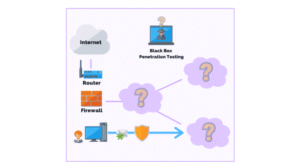
What outcomes should organizations expect after network VAPT?
Security assessments also help validate the effectiveness of existing security controls. Firewalls, intrusion detection systems, network segmentation, access restrictions, and monitoring solutions are designed to protect organizational assets, but they may not always perform as expected. Testing these controls allows organizations to determine whether they are properly configured and capable of resisting realistic attack scenarios. This validation provides confidence in existing defenses while identifying areas that require improvement.
Organizations should also expect greater awareness of configuration weaknesses. Misconfigured network devices, unnecessary services, default settings, and excessive user permissions often create security gaps that attackers can exploit. Identifying these issues enables IT teams to implement configuration improvements that strengthen the overall security posture without requiring major infrastructure changes.
Another valuable outcome is stronger incident preparedness. Security assessments reveal how attackers might attempt to gain unauthorized access, move through the network, or escalate privileges. Understanding these potential attack paths allows organizations to improve detection capabilities, update incident response procedures, and strengthen defensive strategies before an actual security incident occurs.
Compliance support is another important benefit. Many industries require organizations to demonstrate that they regularly assess and improve their cybersecurity controls. A network vulnerability assessment & penetration test provides documented evidence of security evaluation activities, helping organizations satisfy regulatory, contractual, and industry-specific security requirements. The resulting reports can support compliance audits and demonstrate an ongoing commitment to cybersecurity.
Organizations often experience improved collaboration between technical teams after completing a security assessment. Network administrators, system engineers, security personnel, and management work together to review findings, prioritize remediation activities, and implement recommended improvements. This collaborative approach encourages better communication and creates a stronger security culture throughout the organization.
Another important outcome is better resource planning. The assessment highlights which vulnerabilities require immediate attention and which improvements can be scheduled over time. Organizations can develop realistic remediation roadmaps, budget appropriately for future security investments, and prioritize upgrades based on actual risk rather than assumptions. This strategic planning helps maximize the effectiveness of cybersecurity spending.
Completing a security assessment also establishes a baseline for future improvements. Organizations can compare future assessment results with previous findings to measure progress, evaluate remediation success, and identify recurring issues. Regular assessments create continuous improvement cycles that strengthen security over time and help organizations adapt to evolving cyber threats.
Management teams benefit from receiving a clearer understanding of cybersecurity risks in business terms. Rather than focusing only on technical details, assessment reports often explain how vulnerabilities could affect operations, customer trust, regulatory compliance, and financial stability. This business-focused perspective helps executives make informed decisions regarding cybersecurity investments and organizational risk management.
Ultimately, organizations should expect far more than a list of technical vulnerabilities after completing a network vulnerability assessment & penetration test. The assessment delivers actionable intelligence, validated security findings, prioritized remediation guidance, and a clearer understanding of the organization’s overall security posture. These outcomes enable businesses to strengthen defenses, reduce exposure to cyber threats, improve operational resilience, and build a more proactive approach to cybersecurity. By acting on the recommendations provided, organizations can transform assessment results into lasting security improvements that protect critical assets, support business continuity, and maintain confidence in an increasingly complex digital environment.